By Orlagh Gaynor
A Drogheda Life reader and local physiotherapist has shared a short opinion article highlighting how urban planning can directly impact public health and wellbeing in the town.
In the piece, the author reflects on everyday experiences in Drogheda town centre and argues that measures such as increased green spaces, improved walkability, better cycling infrastructure and reduced car priority could significantly improve the quality of life for residents.
They suggest that changes to the town’s planning approach could help create a healthier, more welcoming environment for both locals and visitors while supporting businesses and strengthening community wellbeing.
The following is the full article submitted to Drogheda Life.

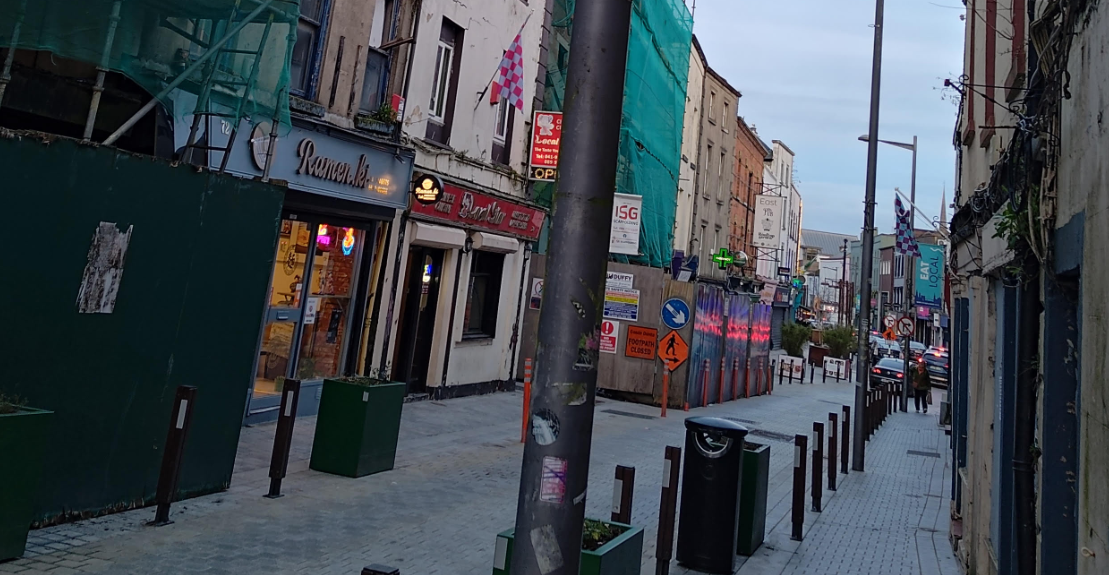
Stepping off the bus opposite Dominic’s takeaway, I make my way down Narrow West Street. Almost immediately I am forced into the traffic due to the derelict buildings’ enclosures, anxiously checking the road for cars and hoping they stop to let me cross. A mother with a buggy approaches me. I squeeze myself against the wall to let them pass safely amid the stream of traffic as the path is barely wide enough for one person.
A sandwich and a friendly hello in Hurley’s, but I have nowhere to sit and eat it while I chat to my mother on the phone. I carry my load down towards St Peter’s and join the teens and other townsfolk on the steps, hoping I’m not in anyone’s way as locals and tourists alike enter the church to pay their respects. I’ve been in town less than thirty minutes. Has it always been this stressful?
I want to love my town. Be they sixth generation Droghedeans or new arrivals from another country, the people of Louth’s largest town are the warmest, kindest you could ever meet and deserve so much better. Businesses deserve to thrive. We deserve a town we can relax in, enjoy and soak up our own arts, culture and heritage we cherish so. The current planning, however, makes this impossible.
Streets we can walk in freely, with the right paving, seating, and greenery, would make an outing in Drogheda far more pleasant, where people linger longer, shop, and have coffee. Limiting vehicle access, especially on West Street, would breathe new life into the heart of Drogheda. Of course, this would need to be planned with appropriate disabled parking and taxi access nearby, but our town is barely navigable on foot as is for those without any mobility difficulties. Improve walkability and cycling infrastructure with public transport and fair vehicle use policy, and we would have a town that fosters the independence and dignity of all.
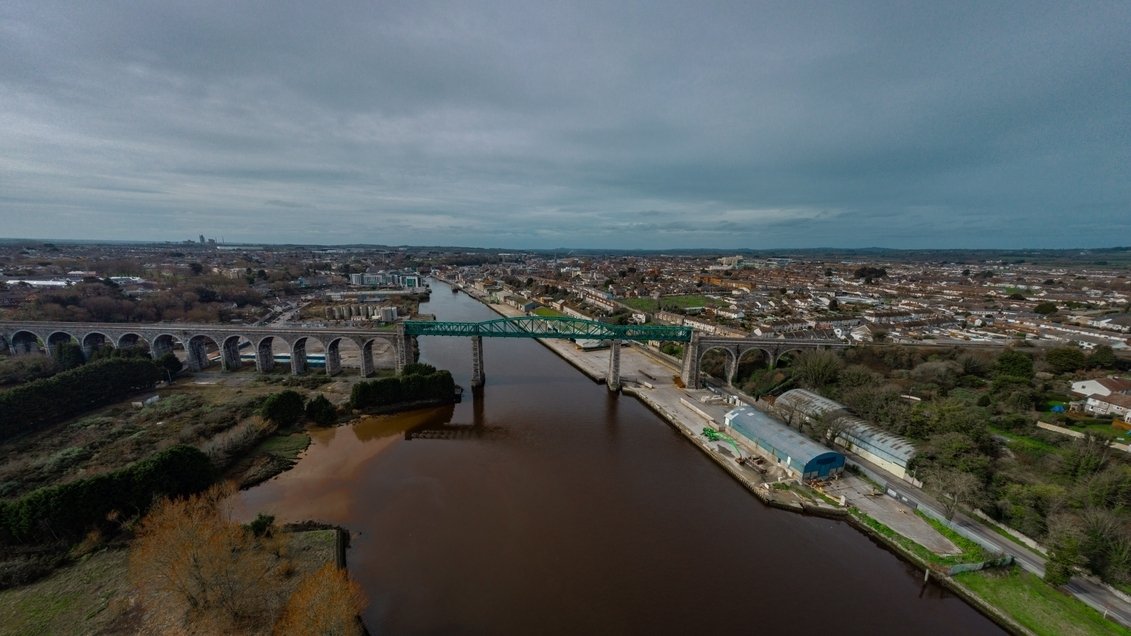
Our green space is severely lacking. We have a park on the edge of town, right beside a dangerous junction, but nothing in the centre. More spaces for our community to convene, enjoy nature and connect with our land and biodiversity would be immensely beneficial to our collective health and wellbeing. Time in nature is proven to benefit our mental health, immune system, encourage physical activity and sense of belonging in the community. It also protects us from air and noise pollution, helps mitigate against flooding, and acts as a biodiversity support that is much needed for our agriculture and food systems to thrive. Nature conservation offers opportunities to connect with our heritage, old stories of the oak and ash and rowan from Celtic lore, the story of the Salmon of Knowledge in the Boyne. It is about the most patriotic thing one could do.
Drogheda’s morale is at an all time low and the town is begging for rejuvenation. It offers no attraction or joy but requires one to grit their teeth, run necessary errands, and leave as though tackling a burning building. This is no way for a town so steeped in history and culture to exist. Aside from the benefit to business revenue, increasing green space and improving the walking and cycling experience is ultimately a public health measure. There are other issues that need to be recognised, derelict buildings, funding access, but reducing car priority, greening and active travel projects have the potential to spark real change. These design solutions are proven to work, but the question remains as to whether we are brave enough to embrace such drastic change. We can have a healthier town that benefits our wellbeing and instils pride in our community, if we only choose it.