
Minister of State Alan Dillon has announced increased litter fines and a new €250,000 Cleaner Communities Fund aimed at helping local authorities keep public spaces cleaner and tackle persistent issues such as dog fouling.
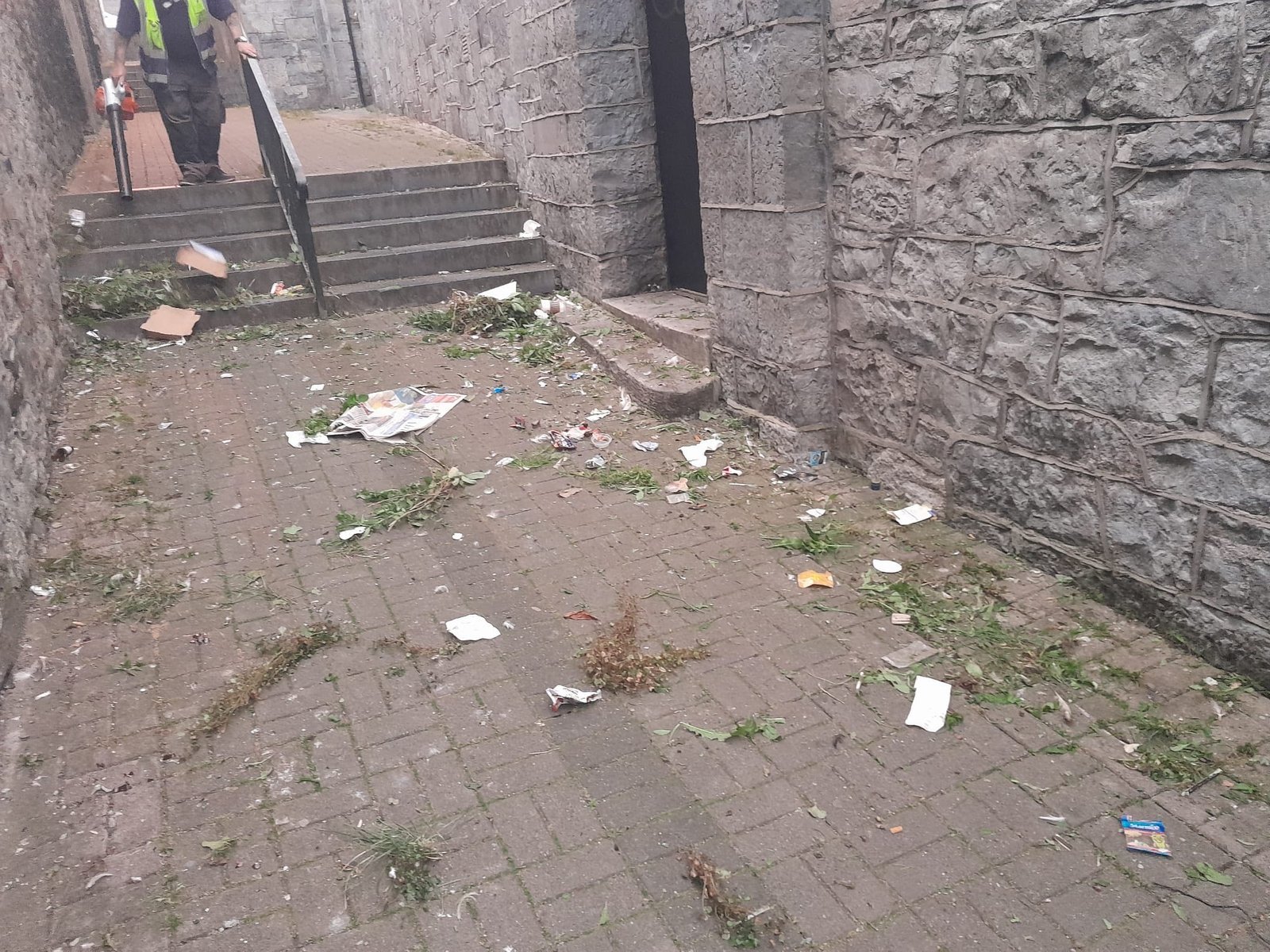
The announcement follows the publication of the latest National Litter Pollution Monitoring System survey, which found continued improvements in litter levels across the country while highlighting the need for ongoing action to protect public areas, parks, beaches, and greenways.
Minister Alan Dillon said the new €250,000 Cleaner Communities Fund will help local authorities install additional dog waste bins and related infrastructure where it is needed most, making it easier for responsible dog owners to help keep parks, beaches and public spaces clean.
He also confirmed that, from 1 September 2026, the fixed payment on the spot fine for littering will increase from €150 to €250.
The Minister said the increase sends a clear message that littering is unacceptable and that those responsible should bear the cost, adding that it is unfair that the actions of a small minority spoil public spaces for everyone else.

He also welcomed the launch of the nationwide anti litter campaign, “Bin it or bring it home”, saying: “Enforcement is important, but education and awareness are equally important. The message is simple: if there is not a bin nearby, take your litter home. The same applies to dog waste. Every one of us has a role to play in keeping Ireland clean.”
The latest National Litter Pollution Monitoring System survey found continued improvements in litter levels across the country. More than one in five surveyed locations (20.6%) were classified as unpolluted, up from 19.2% in 2024. Moderately polluted areas fell from 17.4% to 13.3%, while significantly polluted areas declined from 3.0% to 2.6%.
However, the survey also found that passing pedestrians remain the largest source of litter, accounting for 39% of litter nationally, with passing motorists responsible for almost one fifth.
Minister Dillon said the results show that progress is being made but that litter remains largely a behavioural issue. He said cleaner communities depend on people taking responsibility for their actions, supported by local authorities and Government through stronger enforcement, targeted investment and public awareness.