
A call has been made for an urgent review of water connection charges facing community sports clubs, amid growing concern that excessive costs are wiping out years of fundraising and volunteer effort in towns and villages across the country.
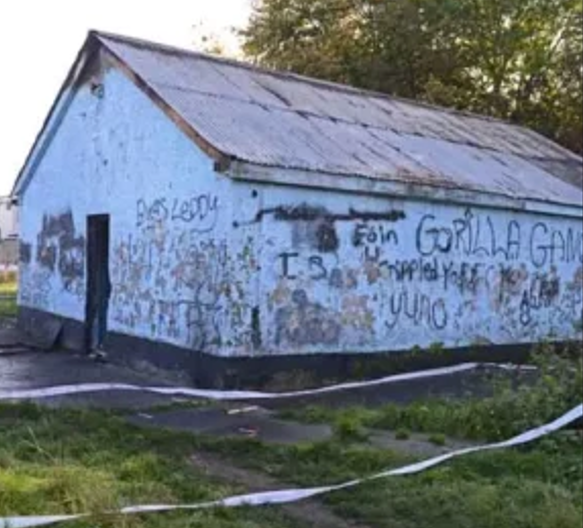
Speaking in the Seanad this week, Alison Comyn highlighted the case of Drogheda Boys and Girls FC, a thriving club with 21 teams and more than 300 young players. The club has been without permanent changing rooms or toilet facilities since a fire destroyed its building in 2021. Despite years of work by volunteers to progress a modest replacement, it is now facing a charge of €25,616 from Uisce Éireann to connect water and wastewater services to facilities that have not yet been built.
“This is a club that has done everything right,” she said. “Parents, volunteers and the wider community have given their time and energy over several years to provide basic facilities for children. To then be faced with a bill of this scale before a single brick is laid is incredibly disheartening.”
In a statement, Drogheda Boys and Girls FC said it wished to “formally express its deep disappointment and concern at the excessive cost” associated with the proposed connection.
“The scale of the connection charge places a significant and unexpected financial burden on our club, one that is simply disproportionate to our resources and undermines our ability to invest in grassroots football development,” the club said. “As a voluntary, community-led organisation, we rely heavily on volunteers, fundraising efforts and the goodwill of our local community. Funds raised are intended to support coaching, equipment, pitch maintenance and the development of young players, not to cover prohibitively high infrastructure costs.”

The club added that while it recognises the importance of safe and reliable water services, “charges of this magnitude risk delaying or preventing vital facility improvements that directly benefit hundreds of local children,” and called for “more equitable, community-focused solutions.”
Senator Comyn also pointed to the case of Wolfe Tones GFC in Drogheda. The club has raised more than €75,000 through its own fundraising efforts and secured €133,000 in Sports Capital Grant funding. However, it has been quoted approximately €140,000 to upgrade an existing water connection for a new clubhouse, a cost that would effectively absorb the entire grant and significantly impact its fundraising.
“In real terms, this means years of cake sales, raffles, sponsored walks and community effort could be erased overnight by a single utility charge,” she said. “Volunteers are giving up evenings and weekends, parents are contributing again and again, and communities are coming together to build something lasting for the next generation, only to see that effort drained away.”
Wolfe Tones GFC also raised serious concerns about the scale of the charge.
“It is deeply concerning that Uisce Éireann expects a voluntary, non-profit GAA club to cover a charge of approximately €140,000 for a water connection as part of essential upgrades to a community clubhouse,” the club said. “GAA clubs are the backbone of communities. They are not commercial developers and should not be treated as such.”
The club highlighted growing demand for facilities, noting that “in the past year alone, we have seen extraordinary growth at underage level,” with significant increases in nursery and underage participation, and overall membership doubling over the past decade.
“Clubs like ours are striving to meet the needs of a rapidly growing community, but barriers such as this make it increasingly difficult to deliver the facilities our members deserve,” the statement added.
Senator Comyn warned that these cases are not isolated and that similar challenges are likely facing clubs across the country. “Community organisations are stepping up and meeting the State halfway by securing grants and working within the system,” she said. “However, when one part of the system undermines another, it is clear that something is not working.”
She has called for a broader discussion involving Uisce Éireann and relevant Government Ministers to explore alternative funding streams or the possibility of waivers for such charges.
“Community effort should result in better facilities, more opportunities and stronger local connections,” she added. “It should not be consumed by costs like this before projects even begin. We need to ensure that clubs and volunteers are supported rather than penalised for their initiative and commitment.”