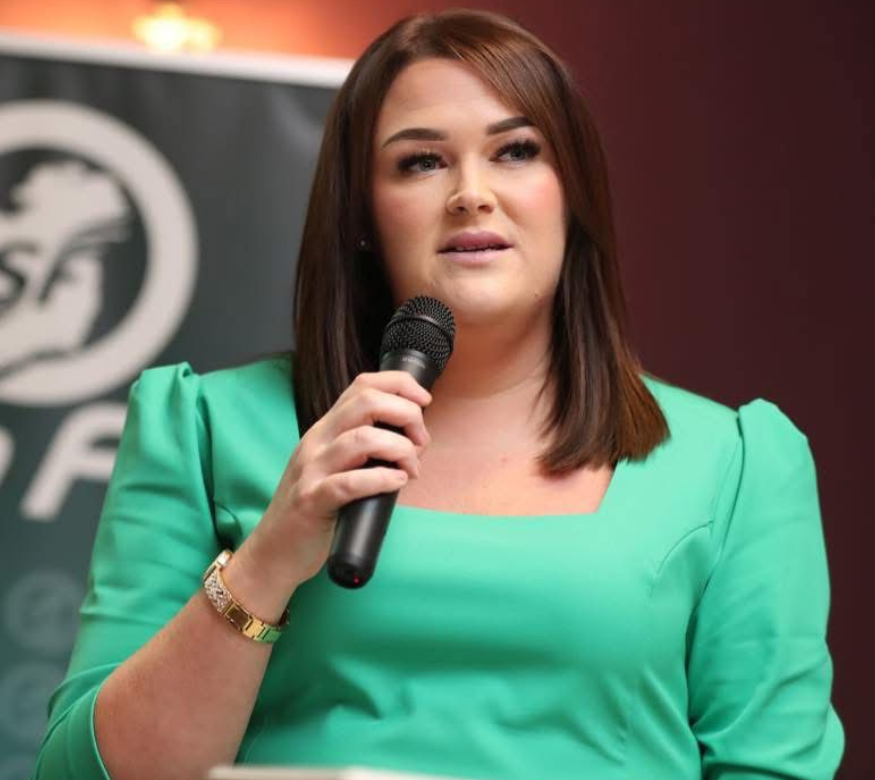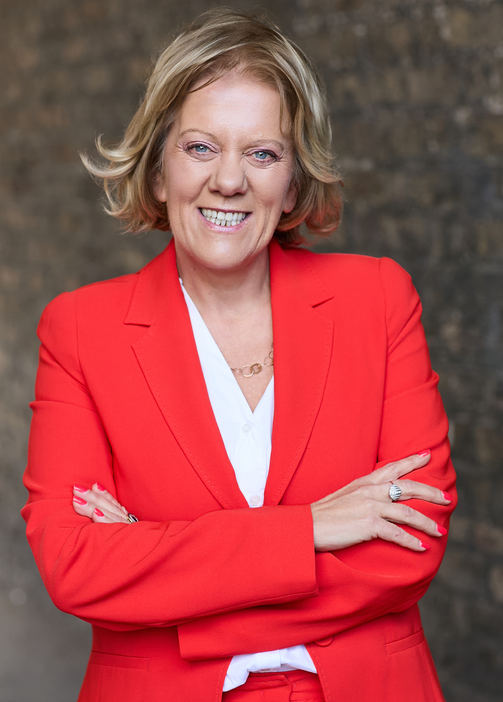

Fine Gael TD Paula Butterly has welcomed significant changes to rural housing planning rules, saying the reforms will make it easier for young people and families to build one-off homes in rural parts of County Louth.
Deputy Butterly described the changes as the biggest overhaul of rural housing policy in two decades, saying they represent a move away from restrictive planning practices and will help support the future of rural communities across the county.
“Today’s announcement marks a new chapter for people who want to live in rural Louth. This is a vital intervention by Fine Gael.
“We are restoring fairness and common sense to the planning system, giving local families, young people and returning emigrants a real opportunity to put down roots in the places they know and love.
“By providing greater clarity, consistency and flexibility – while continuing to protect our unique landscapes and ensure proper planning – these landmark guidelines will help sustain vibrant rural and Gaeltacht communities for generations to come.

“Fine Gael and Minister John Cummins are removing barriers that have caused frustration for too long and introducing common-sense measures that put people ahead of red tape.
“We want people from rural areas, which will now include villages and towns with a population of below 1500 population, to have the opportunity and flexibility to be able to live in the communities that they have always called home.
“These new changes will support people to construct one off-homes in the rural area they are from, even if they have a current house in a town or city. They will enable those who have an economic or social need to live in a rural location, including returning emigrants, to build a home – subject to meeting normal planning considerations,” Deputy Butterly said.
There are two main ways to qualify, where a person looking to build a new single rural house can show either a social or economic need.
The draft National Planning Statement outlines the standard rule in a rural area will be that you have lived in that area for seven or more years at any point in your life and you can build up to 10km from your current home.
Stricter social need criteria may apply in areas under the most development pressure from nearby cities. In city metropolitan areas, a person must have lived within 3km of the site for up to ten years. This is to stop rural areas turning into commuter suburbs. In certain high-amenity areas, a person must have lived within 5km of the site for up to ten years. This is to prevent encroachment on desirable scenic areas which are prone to holiday home use.
In Gaeltacht areas, the person must live within 3km of the site and must have lived there for ten years. However, this can be relaxed to five years for people who speak Irish and can show a local need. This is to help protect and support the Irish language in these areas. The changes for Gaeltacht areas were put forward by the Department of Rural and Community Development and the Gaeltacht.
To qualify under economic need, a person will have to demonstrate that their main job depends on living in a rural area (remote working will not count) and they need to live close to their workplace. This includes jobs like farming, equine, forestry, working in essential services such as teaching in local schools, or people starting or running a rural business.
Deputy Butterly said added: “Local Authorities will no longer be allowed place a blanket ban on infill, backland or ribbon development.
“And in exceptional circumstances, an applicant can rightsize, meaning they may be able to build a second appropriately sized one-off rural home in close proximity to their main house. We recognise that people have to change their housing needs following a medical event and we want support people where appropriate with their housing need.”
Between 4,000 and 5,000 one-off rural homes are built in Ireland every year, and the Government expects with these changes, that number is set to increase.