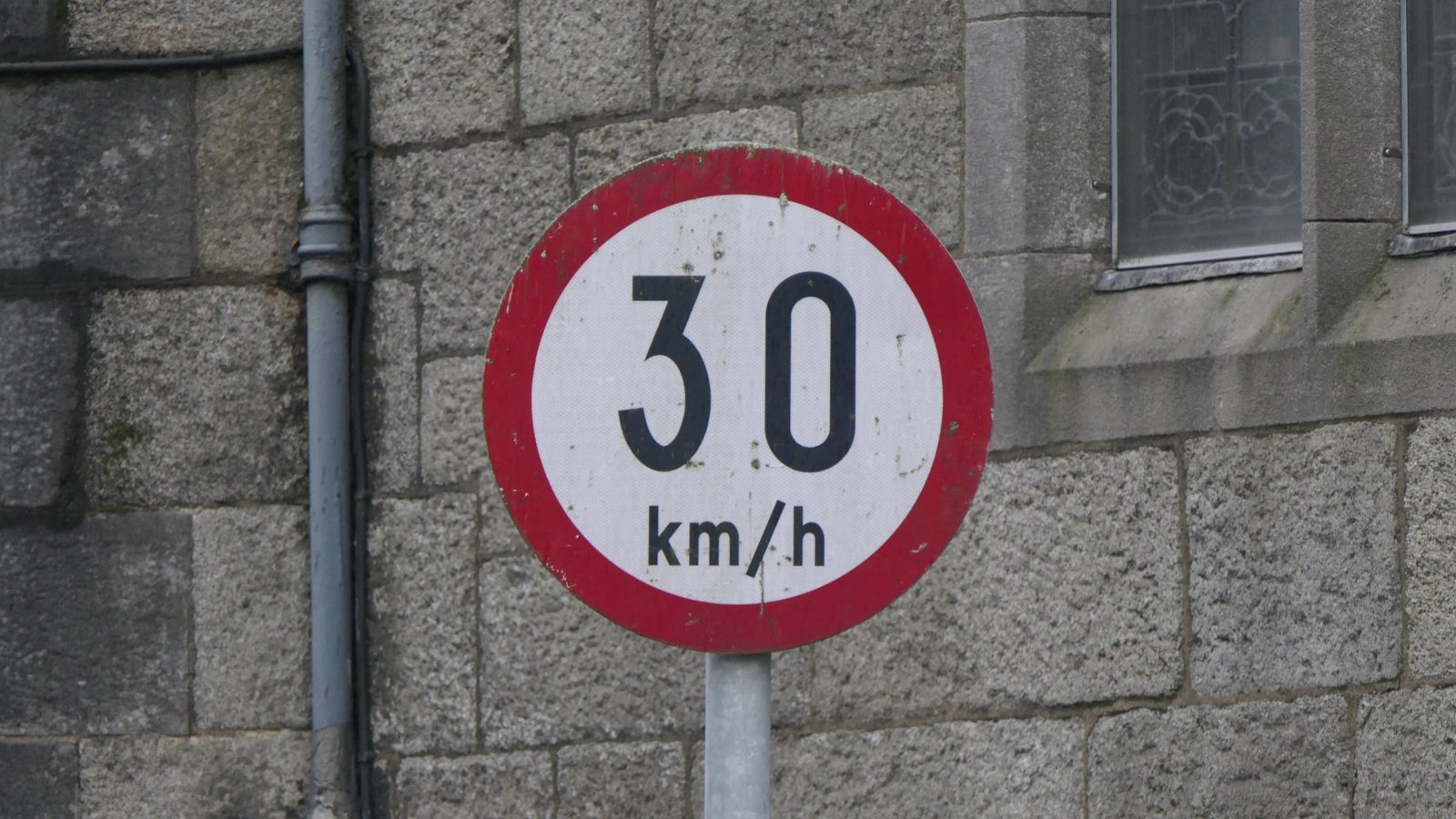
New speed limits will come into effect at 26 locations across County Louth from 31st March 2027, including six in the Borough District of Drogheda.
Louth County Council has adopted new speed limit bye-laws introducing 30km/h zones and other reduced speed limits in towns, villages and built-up areas across the county.
The changes are aimed at improving road safety, particularly in residential areas and locations used by pedestrians, cyclists and other vulnerable road users.
Where will the new speed limits apply?
The new limits will apply at 26 locations across County Louth, broken down as follows:
- Six locations in the Borough District of Drogheda
- Eight locations in the Ardee Municipal District
- 12 locations in the Dundalk Municipal District
The changes form part of Phase 2 of the national Speed Limit Review 2023.
As part of the review, Louth County Council examined existing speed limits on public roads in towns, villages and settlements to identify where reductions could improve safety.
The proposals include new 30km/h urban zones and lower speed limits on approaches to certain settlements and built-up areas.
Public consultation and council approval
The draft proposals were published for public consultation in June 2026.
Feedback received was reviewed and presented to elected councillors in the Ardee, Dundalk and Drogheda districts during September.
Following consideration of the submissions and updated proposals, the new speed limit bye-laws were adopted at a full Council meeting in October.
The locations were selected following an assessment under the national Guidelines for Setting and Managing Speed Limits in Ireland.
€678,000 allocated for implementation
The cost of introducing the new 30km/h zones and associated road signage is estimated at €678,000.
The Department of Transport will fully fund the works.
Cllr Dolores Minogue, Cathaoirleach of Louth County Council, said: The introduction of lower speed limits in appropriate urban and built-up areas is an important step in creating safer roads and communities across County Louth.
These changes are particularly focused on locations where there are higher levels of interaction between vehicles, pedestrians and cyclists, including residential areas and roads close to community facilities and local services.
“Ahead of the new speed limits coming into effect in March, I would encourage motorists to familiarise themselves with the new limits and to pay close attention to replacement and additional signage as the commencement date approaches.”
David Conway, Chief Executive of Louth County Council, said: The adoption of these new speed limits, along with the upcoming publication of the County Louth Road Safety Plan 2026 – 2027, represents an important step towards making our towns, villages and residential areas safer and more inclusive.
“By reducing speeds in locations where people live, walk, cycle and access local services, we can better protect vulnerable road users, encourage active travel and support healthier, more sustainable communities.
The new limits support the Government’s Road Safety Strategy 2021–2030: Our Journey Towards Vision Zero, which aims to reduce deaths and serious injuries on Irish roads by 50% by 2030 and achieve zero road deaths or serious injuries by 2050.
The revised speed limits represent the second phase of a four-phase national programme of speed limit changes. Phase 1 came into effect in February 2025, when the default speed limit on rural local roads was reduced from 80km/h to 60km/h. Further phases will address speed limits on national secondary roads and roads adjacent to schools in rural areas.
Louth County Council will install the necessary signs and poles before the new limits come into operation. The adopted bye-laws, together with further information about the affected roads and locations, will be published on the Council’s website ahead of the commencement date.
In the meantime, road users should continue to observe the speed limits currently displayed. The new limits will come into effect on 31 March 2027.