
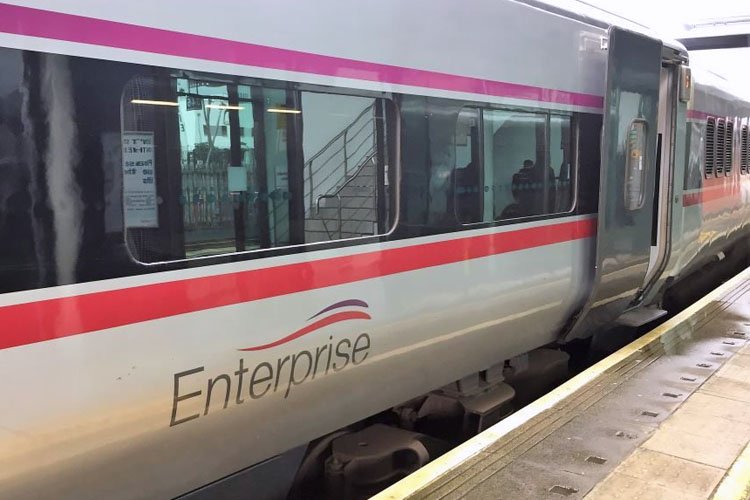
There is some good news for commuters in the north east after the Government gave the go ahead to buy eight new trains at a cost of 700 million for the Dublin Belfast Enterprise route which stops in the town.
The landmark order from Stadler will deliver the most significant uprate to the cross border rail service in decades and the service on the route will double from eight trains each way per day to sixteen.
It will effectively mean the Enterprise fast train stopping in Drogheda every two hours on the way to or from the capital.
The upgraded service will deliver faster, more reliable connections for passengers travelling for work, education, healthcare, and leisure.
The new fleet will be tri-mode, operating on electric power from Dublin to Drogheda once DART+ Coastal North is delivered.

This will mean quieter, cleaner trains running through towns in Louth. On non-electrified stretches, the trains will meet the latest emissions standards and will be capable of running on biofuel.
Passenger numbers on the Enterprise service are projected to reach 2.5 million annually by 2032.
Accessibility is a central feature of the new fleet, with step free access throughout every carriage and six wheelchair spaces per train well above minimum standards.
A portion of the funding €165 million will come from the EU PEACEPLUS programme.
One of the conditions of this support is achieving the sub two hour journey time, directly linking EU investment to the service improvements that passengers in Louth will experience.
The new programme will replace the temporary additional services introduced in late 2024 under the Shared Island Fund, which are due to end in 2027.
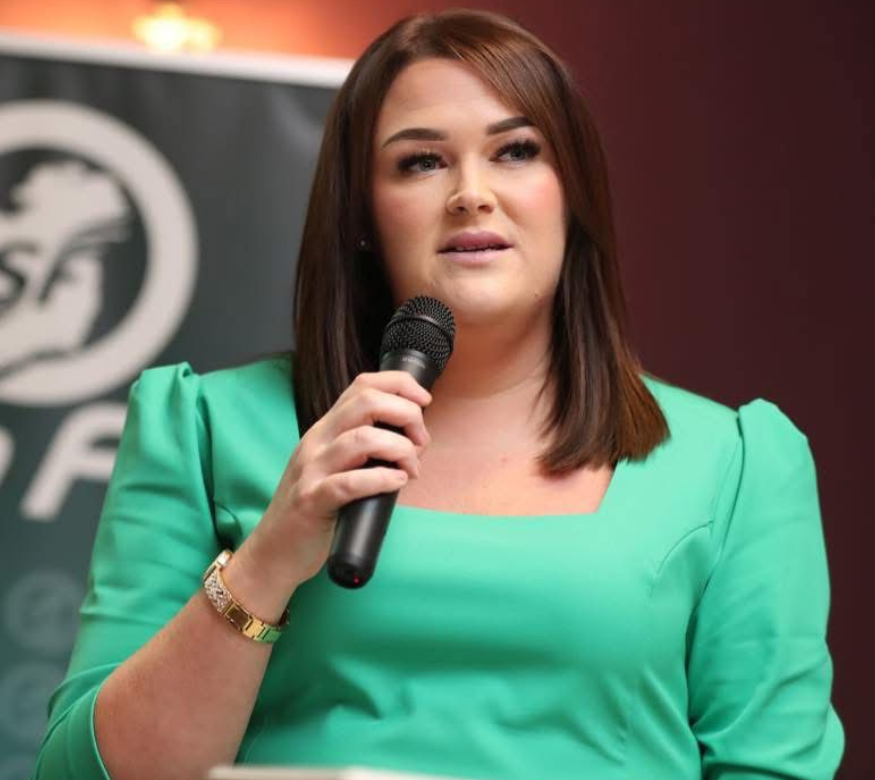
Commenting on today’s development, Deputy Pala Butterly said she is “absolutely delighted to see this long awaited investment moving to Cabinet for approval.”
This is a game changer for Louth. Doubling the frequency of trains through Drogheda and Dundalk, cutting journey times to under two hours, and delivering cleaner, quieter, more accessible trains will make a real difference to people’s daily lives.
For communities that have faced barriers to jobs, healthcare, and education, this programme will be genuinely transformational. I’m particularly pleased to see the strong focus on accessibility and the clear link between EU PEACEPLUS funding and the benefits our constituents will feel on the ground.”
Deputy Butterly added that the investment “secures the future of cross border rail and ensures that the temporary improvements introduced in recent years are not just maintained but significantly enhanced.