A formal complaint has been submitted to the European Commission over a lack of accessibility at Drogheda Bus Station, following what has been described as a failure by Ireland’s National Enforcement Body to properly apply EU passenger rights legislation.
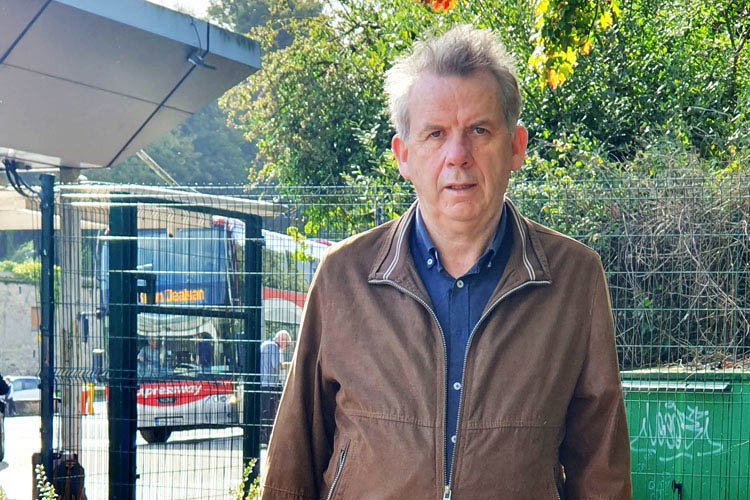
The complaint was lodged under Regulation (EU) 181/2011, which protects the rights of passengers with disabilities and people with reduced mobility when travelling by bus or coach. It was confirmed by Aontú’s Drogheda representative Michael O’Dowd, who is a long standing advocate for disability rights.
“This issue is no longer just about one bus station,” Mr O’Dowd said. “It is now about whether EU passenger rights law is being enforced effectively across Ireland.”
Concerns around accessibility at Drogheda Bus Station, which is owned and operated by Bus Éireann, have been raised repeatedly. Mr O’Dowd said the situation poses serious risks to the safety of people with disabilities, who are faced with the lack of a safe and accessible drop off point, limits on taxi access, and the need to cross or navigate a heavily trafficked roadway to reach services.
Despite ongoing engagement at national level, he said there has been no clear determination on whether the station complies with accessibility and reasonable accommodation requirements. No accessibility audit or enforcement decision has been published, which he described as an unacceptable lack of transparency.
Mr O’Dowd said the matter is not about funding but about enforcement. He pointed out that across the EU, enforcement bodies are required to investigate complaints, assess compliance and require corrective action where necessary, regardless of whether capital funding is available. He said funding timelines cannot be used as a reason for continued inaccessibility.
Accessibility obligations do not disappear because a building is old, nor can they be postponed indefinitely while waiting for capital works,” he said. “Disabled passengers are entitled to access now, not at some undefined point in the future.
He also confirmed that the issue will be referred to the Office of the Ombudsman in Ireland. The Ombudsman will be asked to examine whether the National Transport Authority has acted reasonably and in line with its statutory role as Ireland’s National Enforcement Body for EU passenger rights law.
The Ombudsman process is an important part of ensuring accountability where public bodies fail to properly exercise their enforcement functions.
Mr O’Dowd said. “This is about good administration as much as it is about accessibility.